
The Hunting System — Pounce

Four stages. One instinct.

Your indoor cat is still a hunter. She follows the same four-stage predatory sequence as every wild cat on earth. Understanding it changes everything about how you play with her.

95.6%
of domestic cat DNA is shared with tigers — the predatory circuitry is identical
Genome Research, 2014
10–20×
daily hunts for wild cats. Indoor cats: zero — unless you give them something to hunt
Feline ethology studies
0
stages can be skipped. All four must complete for the cycle to resolve — and your cat to feel genuinely fulfilled
The Hunting System principle

It's not boredom.
It's a blocked instinct.

Domestic cats did not evolve to be indoor animals. Their neural circuitry was built for a world where hunting happens 10 to 20 times a day. When that outlet disappears, the instinct doesn't. It just has nowhere to go.

01
Destructive scratching and biting
Often predatory energy redirected — not a personality problem, a hunting problem.
02
Midnight zoomies and restlessness
The hunting cycle wasn't completed during the day. It resurfaces at night when the environment is quieter.
03
Toys that work for three days, then get ignored
Predictable movement = not real prey. The predatory system disengages when there's nothing to actually hunt.
04
More agitated after play, not calmer
The session ended without capture. The nervous system is still in predatory arousal with nowhere to put it.
The science

Four stages.
All must complete.

Every cat follows the same behavioural sequence when hunting. Skip a stage, leave the cycle incomplete, and the system stays in arousal. Complete all four — and your cat settles into genuine, visible calm. Every time.
01
Stage 01 of 04
Stalk
Focus Tension Patience

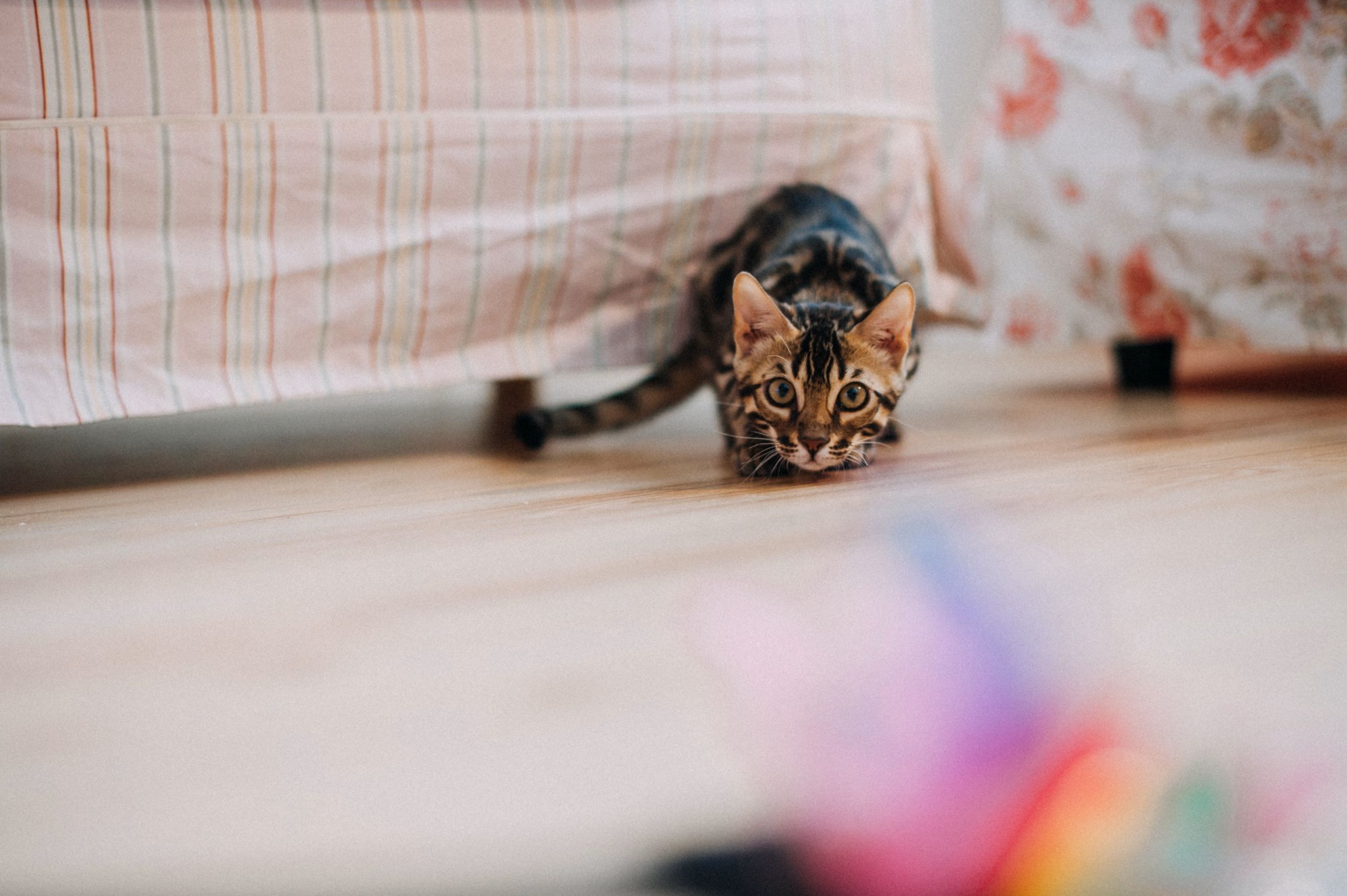
Body low, pupils dilated, every muscle in controlled tension. The stalk isn't passive — it's active accumulation of predatory energy. The longer and slower the stalk, the more satisfying the chase that follows.

Move the wand slowly behind furniture, just the tip visible. Don't wave it in your cat's face — prey doesn't approach predators. Let the tension build for at least 30 seconds before the prey "breaks."
02
Stage 02 of 04
Chase
Speed Unpredictability Full pursuit

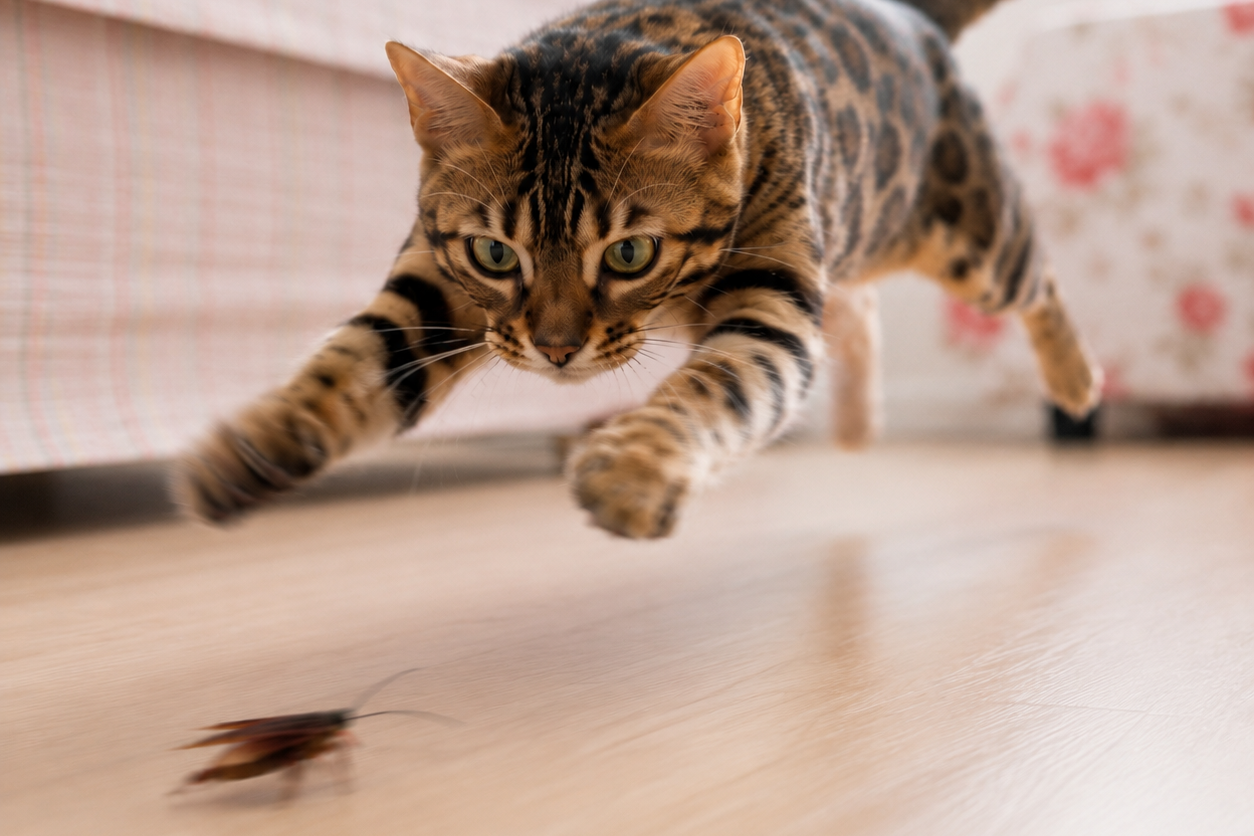
When the prey breaks cover, everything releases. Full-speed pursuit, explosive direction changes, leaping, pivoting. The key word is unpredictable — real prey panics. It doesn't move in smooth, predictable arcs.

Change direction suddenly. Vary speed from crawl to sprint. Move away from your cat, never toward. A toy that moves predictably stops being prey within minutes.
03
Stage 03 of 04
Capture
Pounce Bite Claim

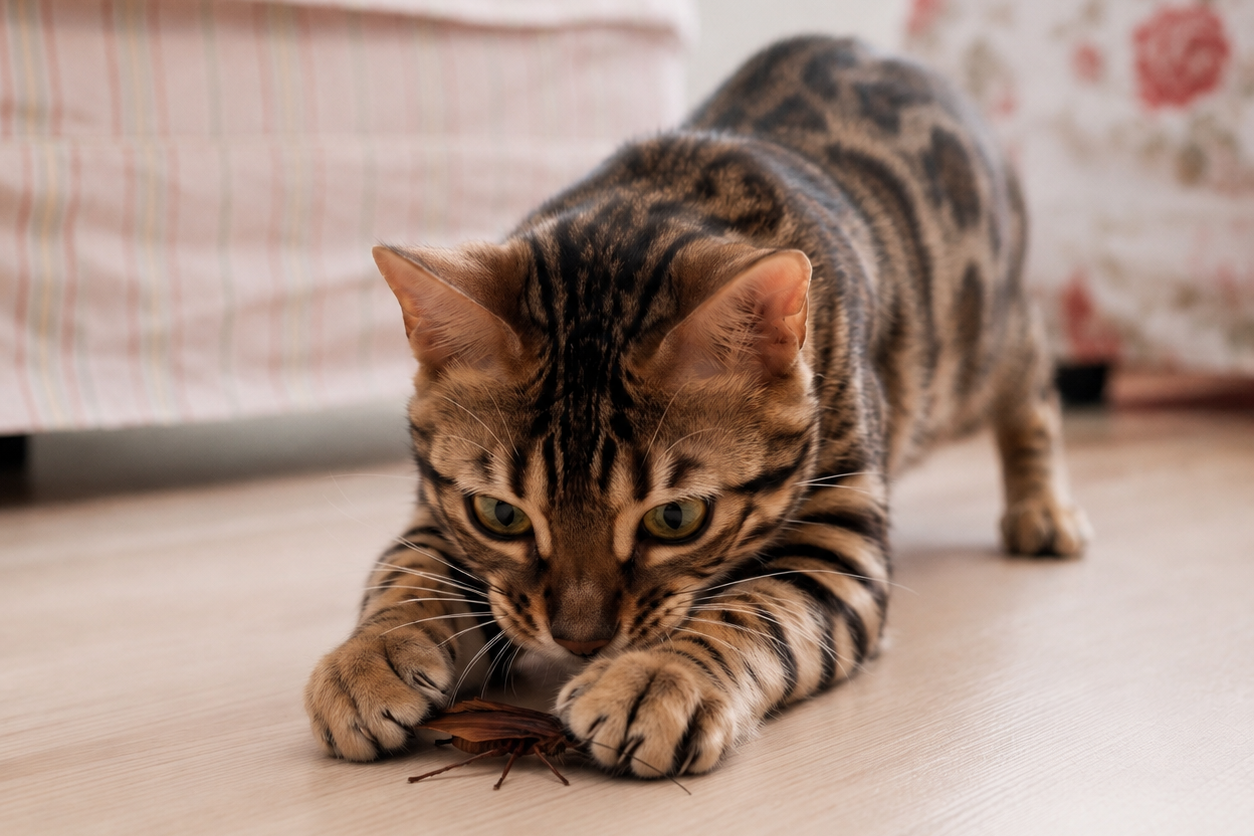
The most skipped stage — and the most important. Capture is a neurological event: the resolution of a system in elevated arousal. Without it, the cycle stays open. This is why some cats seem more wound up after play than before.

Let them catch it. Stop all wand movement completely. Let your cat bite, kick and claim the prey. Hold still for 15–30 seconds. Do not pull it away — this moment is everything.
04
Stage 04 of 04
Satisfaction
Calm Grooming Genuine rest

After a successful capture, something visible happens: pupils contract, breathing slows, the body fully relaxes. A cat who completes the cycle is genuinely fulfilled — not just tired. This is the goal of every session.

Never end mid-chase. Always close with a capture. The difference between a cat who grooms quietly after play and one who bites your ankles is whether the cycle completed.
Practical guide

How to run
a proper session.

10–15 minutes. Twice daily. In order. The structure is simple — but the order is not optional. Each stage depends on the one before it.
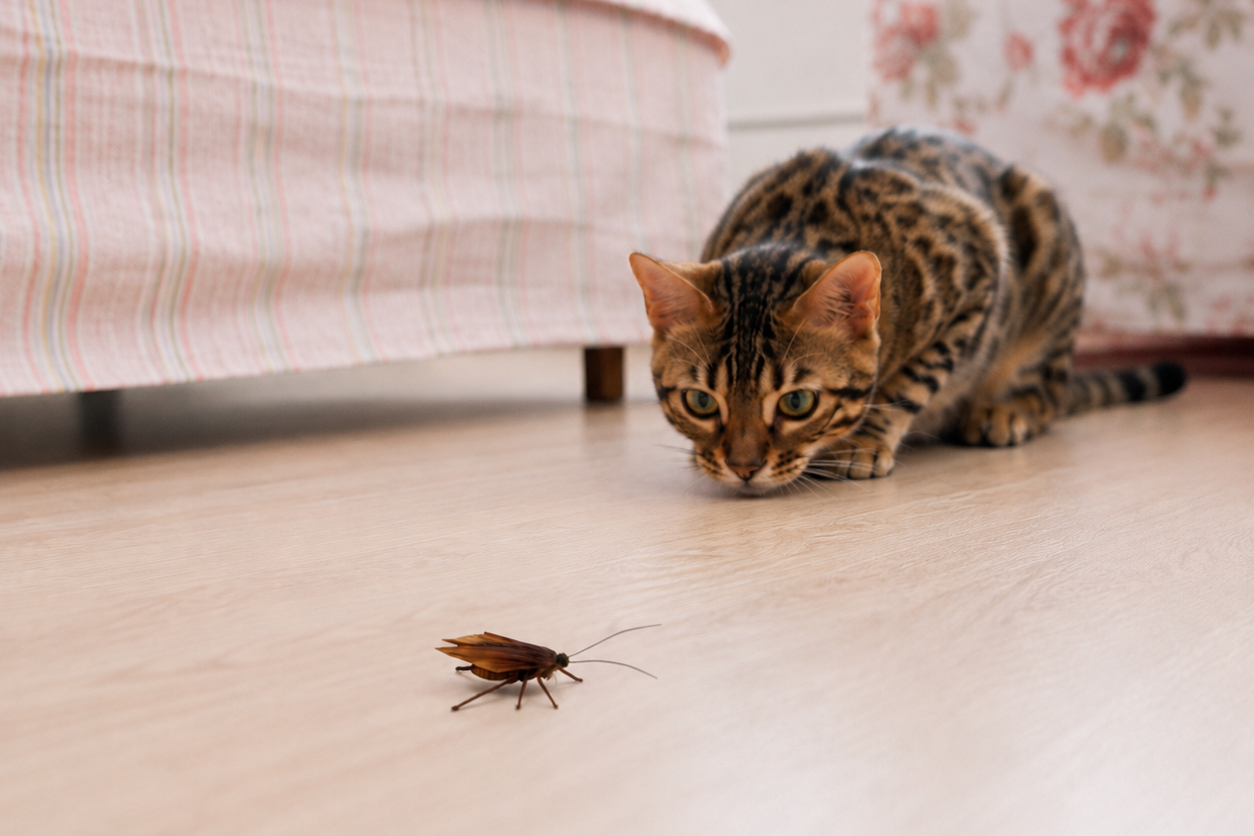
Cat crouching low — build tension in the stalk phase
01
Build tension

Move slowly behind cover. Let your cat find the prey, lose it, find it again. Minimum 30 seconds.
Prey hides. It doesn't parade.
Cat running at full speed — the chase phase
02
Release the chase

Pull it away suddenly. Sprint, stop, sprint. Change direction unpredictably. Always move away.
Match movement to prey type.
Cat pouncing — the capture moment
03
Let them win

After 3–5 cycles, slow the prey. When they pounce — stop everything. Let them claim it fully.
15–30 seconds of capture. Non-negotiable.
Calm satisfied cat resting — the satisfaction phase
04
Wind down

Don't restart after capture. Let them groom and settle. A small treat closes the loop.

Cycle closed. Session complete.
10–15 min
per session
2× daily
morning and evening
Always capture
every single session — no exceptions
Prey selection

Different prey.
Different instincts.

Wild cats hunt multiple species — each requiring different technique, different body language, different timing. Rotating prey types exercises the full range of what your cat is, not just one part of it.

Garden Bird attachment — real feathers for authentic aerial movement
Bird prey
Garden Bird

Real feathers, aerial tracking. Slow arcs and sudden drops. Triggers the window-watching instinct.
Best for: Cats who watch birds · High-energy leapers · Any cat
Field Mouse attachment — faux fur for ground-level rodent hunting
Rodent prey
Field Mouse

Faux fur, weighted body. Ground-level scurrying with sudden freezes. Cats go flat and low immediately.

Best for: Ground stalkers · Older cats · Floor-level play
Flyer attachment — erratic mid-air insect movement
Insect — flying
Flyer

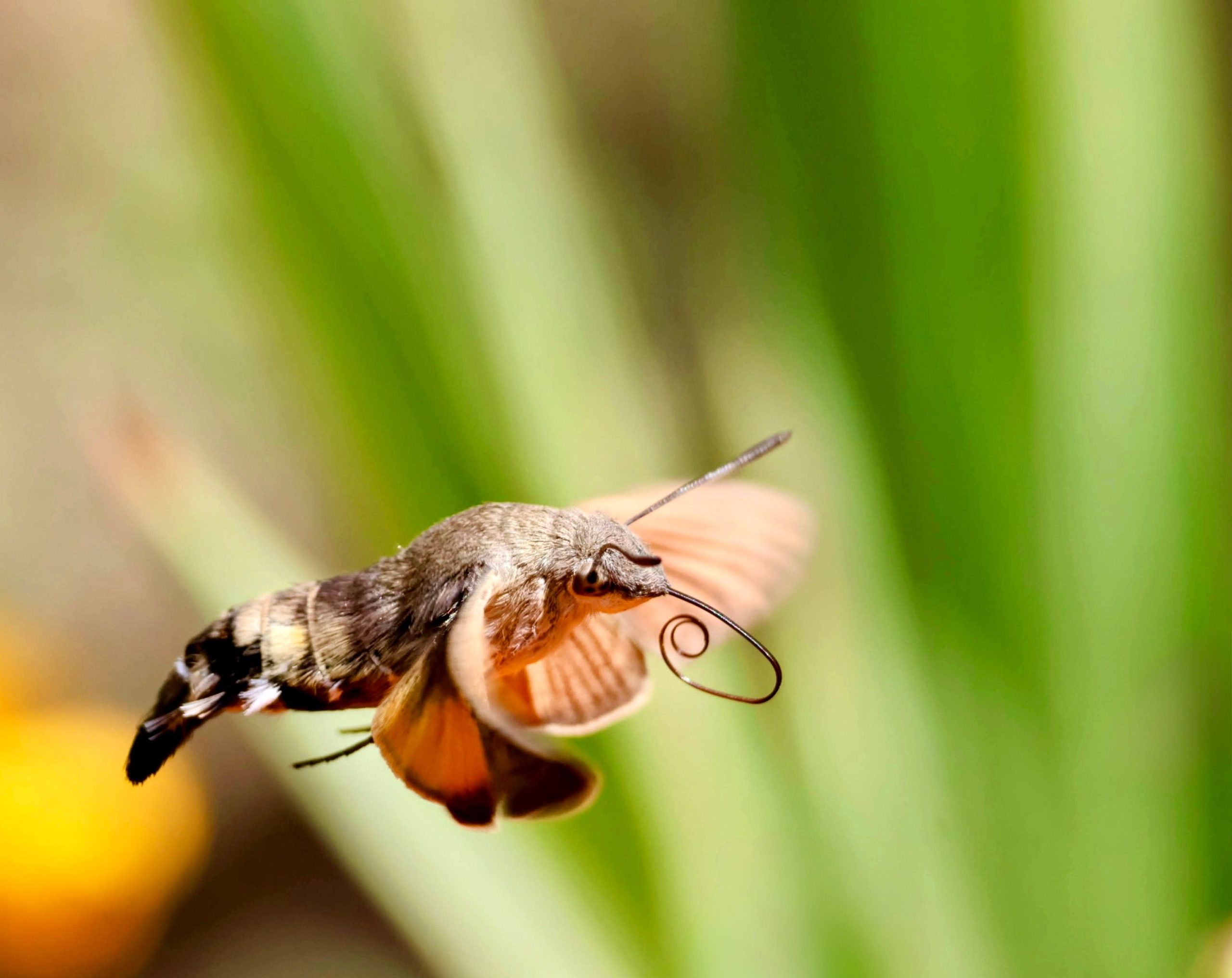
Hover, dart sideways, drop suddenly. Inspired by dragonflies. Erratic direction changes mid-air.
Best for: High-attention cats · Airborne focus
Crawler attachment — ground-level insect movement for precision pouncing
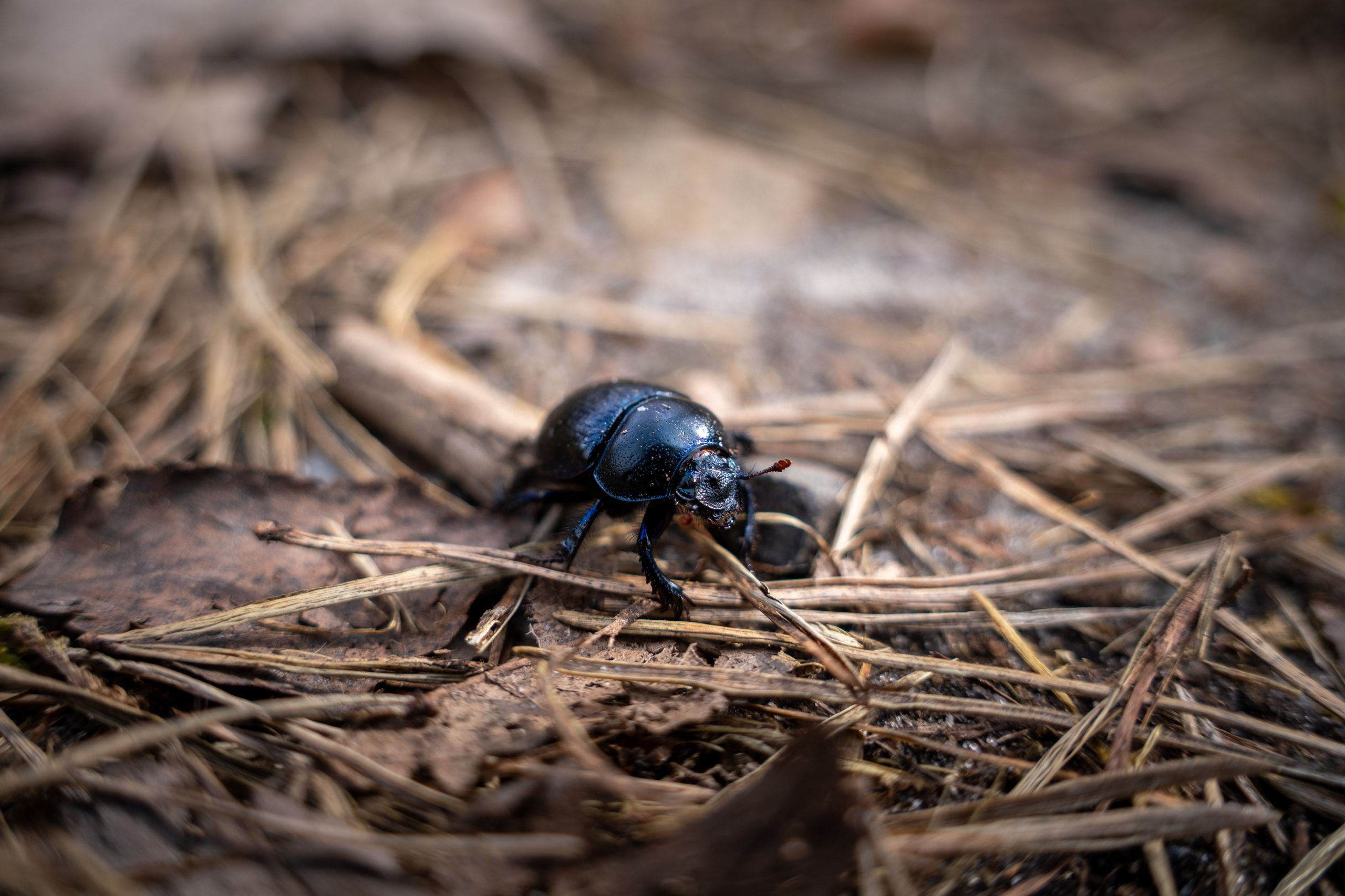
Insect — crawling
Crawler

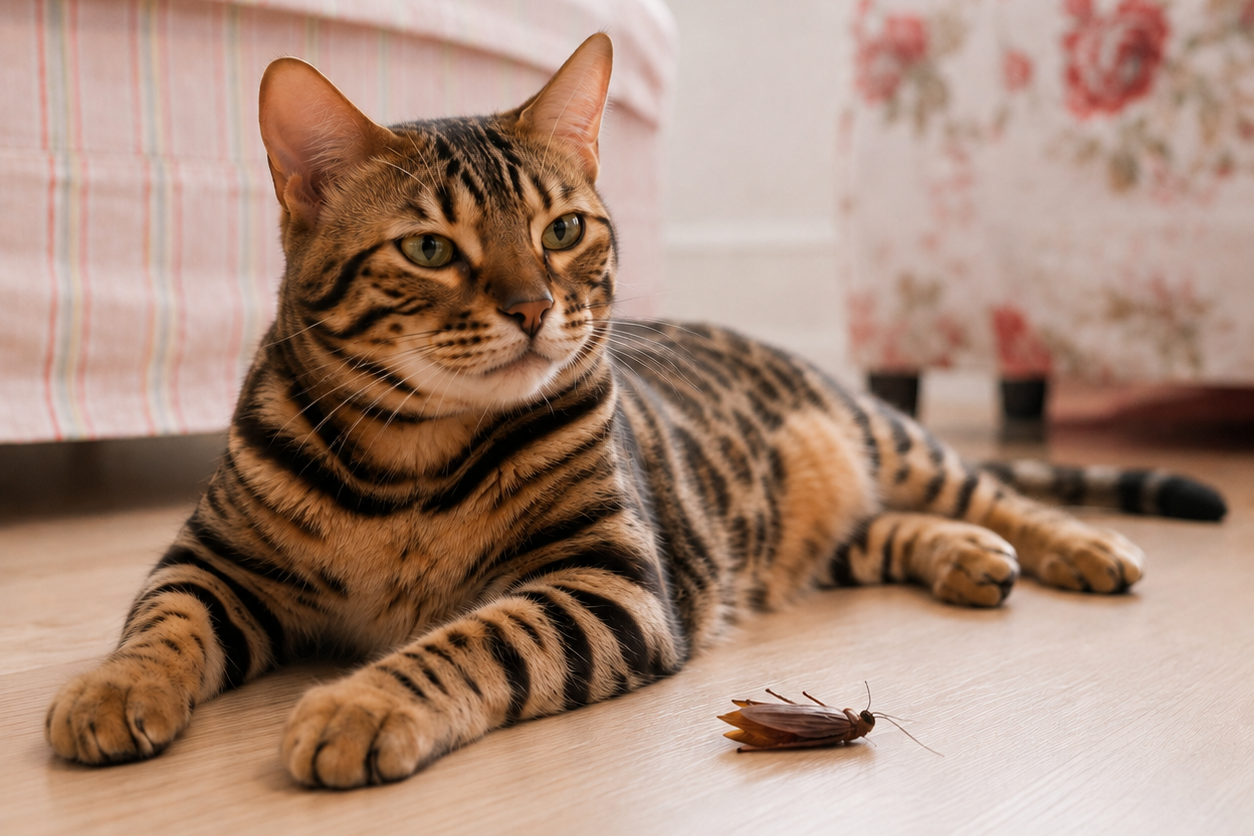
Quick jerky bursts with sudden freezes. Mimics cockroach behaviour. Triggers precision pouncing.

Best for: Patient hunters · Cats who go very still before striking
The gap

Why most toys
stop working.

The UK pet toy market generates over £500m annually. Behavioural problems in indoor cats continue to rise. The toys aren't the problem — the thinking behind them is.

Typical cat toy
Pounce
Designed to look appealing in a shop
Designed around real prey movement and texture
Predictable movement — cats learn it in minutes
Telescopic wand — full control, no patterns to learn
Never allows real capture — the loop stays open
Built around capture — the cycle always completes
Single prey type — partial stimulation only
4 prey types exercise the full hunting repertoire
Leaves cats wired and frustrated
Leaves cats genuinely calm and fulfilled
Questions

Common
questions.

The natural four-stage sequence all cats follow when hunting: Stalk, Chase, Capture, and Satisfaction. Hardwired into every domestic cat — the same circuit that activates in a tiger activates in your cat when she watches a bird. All four stages must complete fully for your cat to feel genuinely fulfilled rather than frustrated.
Indoor cats retain exactly the same predatory neural circuits as wild cats. Without an outlet, that energy becomes anxiety, destructive behaviour, restlessness, and aggression. Regular play that completes the full hunting cycle — especially the capture — significantly reduces these issues and produces a calmer, more settled cat.
Almost always because the session ended without capture. The hunting cycle was left incomplete — the nervous system is still in predatory arousal with nowhere to put it. The fix is simple: always end every session with a successful capture. Let them catch and hold the prey fully before the session winds down.
10–15 minutes, twice a day. Short focused sessions that complete the full cycle are far more effective than long sessions that end mid-chase. Quality and structure matter much more than length. Always end with a capture.
Yes — predatory instinct doesn't fade significantly with age. Adjust the pace: slow deliberate movement mimicking weakened prey activates the same circuits as fast movement. Ground-level prey types (Field Mouse, Crawler) work particularly well for older cats. Even five minutes of complete cycle play has real benefit.